Table of Contents

Early Warning Signs That Indicate an Upcoming Ship Engine Failure

Table of Contents

Early Warning Signs Your Ship Engine Needs Immediate Attention

Ship engine failure is one of the most serious operational challenges a vessel can face during a voyage. Even a small mechanical issue can quickly develop into major damage, unplanned downtime, and costly emergency repairs. In many cases, an unexpected engine stoppage can disrupt sailing schedules, increase fuel consumption, and put the safety of the crew and vessel at risk.

What makes this issue more critical is that ship engine failures rarely occur without warning. Before a major breakdown happens, the engine usually displays a series of early symptoms that indicate underlying mechanical, fuel, cooling, or lubrication problems. These signals are often subtle, which is why they are easily overlooked during everyday operations.

Recognising these early indicators is essential for ship owners, engineers, and operators. When these signs are understood and acted upon in time, they help prevent sudden failures, reduce repair costs, and improve compliance with maintenance standards. More importantly, they provide valuable insight into common ship engine problems such as overheating, lubrication failures, fuel contamination, turbocharger faults, and internal wear.

Below, we take a detailed look at the most important early warning signs of ship engine failure and explain the common issues behind them. This helps you identify problems before they escalate and ensures your vessel continues to operate safely and efficiently.

Following are 8 Early Warning Signs of Ship Engine Failure and the Common Issues Behind Them

1. Abnormal Engine Vibrations

Unusual or excessive vibrations are often the first sign that something is wrong inside the engine. These vibrations indicate that certain rotating components are either damaged or not aligned correctly. If ignored, vibration-related issues can escalate into major mechanical failures that affect propulsion and engine stability.
Possible causes: Shaft misalignment, worn-out engine mounts, damaged or deteriorated bearings.

2. Sudden Drop in Engine Performance

A noticeable reduction in power or slow response from the engine usually means the combustion system or air supply is not functioning properly. When the engine struggles to achieve its normal output, it can compromise the vessel’s speed, fuel efficiency, and safety during critical operations.
Possible causes: Clogged fuel injectors, turbocharger malfunction, low compression, fuel system contamination.

3. Irregular Exhaust Smoke

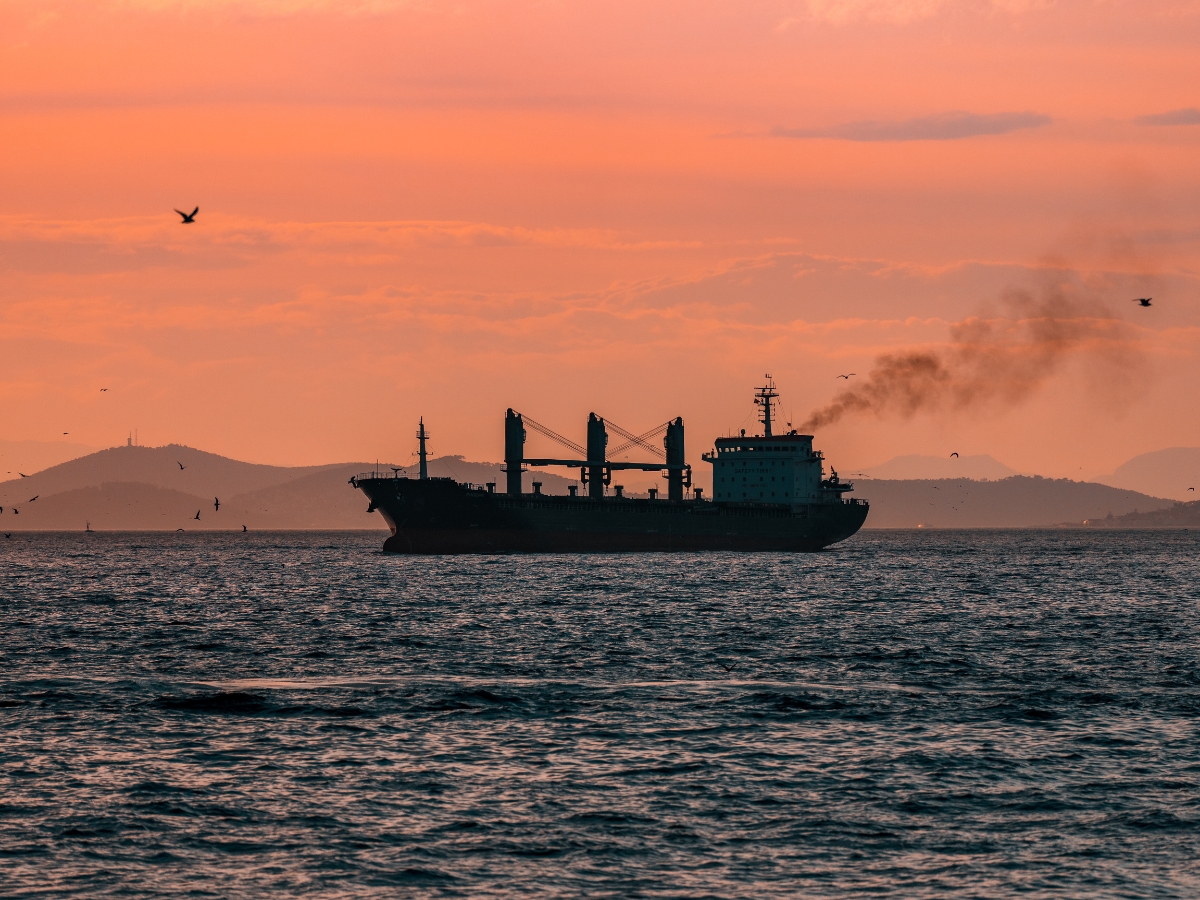
Any change in the color, smell, or thickness of exhaust smoke is a clear indication of internal problems. Black smoke often points to improper fuel combustion, white smoke may indicate water entering the combustion space, and blue smoke generally relates to lube oil burning inside the cylinders. Each of these conditions requires immediate attention to prevent further damage.
Possible causes: Incomplete combustion, lube oil entering the combustion chamber, water ingress, poor fuel quality.

4. Rising Lube Oil Consumption

If the engine begins using more lube oil than usual, it suggests that internal components are wearing out or the lubrication system is leaking. Increased oil consumption can reduce lubrication efficiency and lead to accelerated wear of major parts. This often results in high repair costs if not detected early.
Possible causes: Worn piston rings, leaking oil seals, cylinder liner wear or scoring.

5. Overheating or Fluctuating Engine Temperature

A rise in engine temperature or constant fluctuations in the cooling system are serious warnings that the engine is not being cooled effectively. Overheating can cause severe damage to pistons, liners, and cylinder heads. Temperature instability often means that cooling water is not circulating properly or heat exchangers are not operating efficiently.
Possible causes: Blocked seawater filters, faulty thermostats, coolant leakage, malfunctioning cooling pumps.

6. Increased Noise Levels

Unusual noises such as knocking, rattling, grinding, or metallic sounds are strong indications of mechanical problems. These noises may occur when components inside the engine have loosened, worn out, or are not operating in proper synchronization. Ignoring these sounds can lead to serious failures and unexpected downtime.
Possible causes: Loose components, worn bearings, incorrect combustion timing, valve system wear.

7. Fuel Oil Pressure Drops

A sudden drop in fuel pressure affects combustion quality and reduces engine performance. This warning sign suggests that fuel is not reaching the combustion chamber at the required pressure, which can lead to engine stalling or sudden shutdowns during operation.
Possible causes: Faulty fuel pumps, clogged or dirty fuel filters, air leakage in fuel lines.

8. Slow Starting or Failure to Start

If the engine takes longer than it usually does to start or fails to start completely, it indicates that either the power supply, fuel delivery, or compression is not sufficient. This is often one of the earliest signs of operational problems and should be investigated immediately to avoid unexpected breakdowns during a voyage.
Possible causes: Weak or drained batteries, faulty injectors, low compression, fuel system blockages.

Conclusion

Knowing the early warning signs of ship engine failure is crucial for every shipowner and operator. Early detection helps you take timely corrective actions, avoid costly breakdowns, and extend the life of your marine engines. An advanced technology like Engine Condition Monitoring System plays a crucial role in identifying potential failures long before they pose a threat to vessel operations. By continuously analysing key parameters such as vibration, and overall engine behaviour, the system provides early visibility into developing issues months in advance. This early detection allows shipowners and operators to plan maintenance proactively, reduce the risk of sudden breakdowns, and maintain consistent operational reliability across every voyage.

Once early warning signs are identified, a skilled technical team can step in to diagnose and resolve the issues with accuracy. Experienced marine engineers use these insights to perform targeted marine diesel engine repairs, restore engine performance, and ensure that critical components function at their optimum level. With the right combination of monitoring technology and expert support, vessels can achieve higher reliability, lower maintenance costs, and significantly reduced unplanned downtime.

Leave a Reply

0 Comments
Oldest
Newest Most Voted
Inline Feedbacks
View all comments
Related Posts
*The demo link will be shared only if a valid work or company email ID is provided.