
Home » Blog » Maintenance & Reliability » In-Situ Marine Engine Repair vs Other Repair Types Explained
With the increasing adoption of condition monitoring and predictive maintenance technologies, repair strategies are shifting from reactive breakdown repairs to planned, condition-based interventions. This evolution allows ship operators to select repair methods based on actual engine condition rather than fixed maintenance intervals.
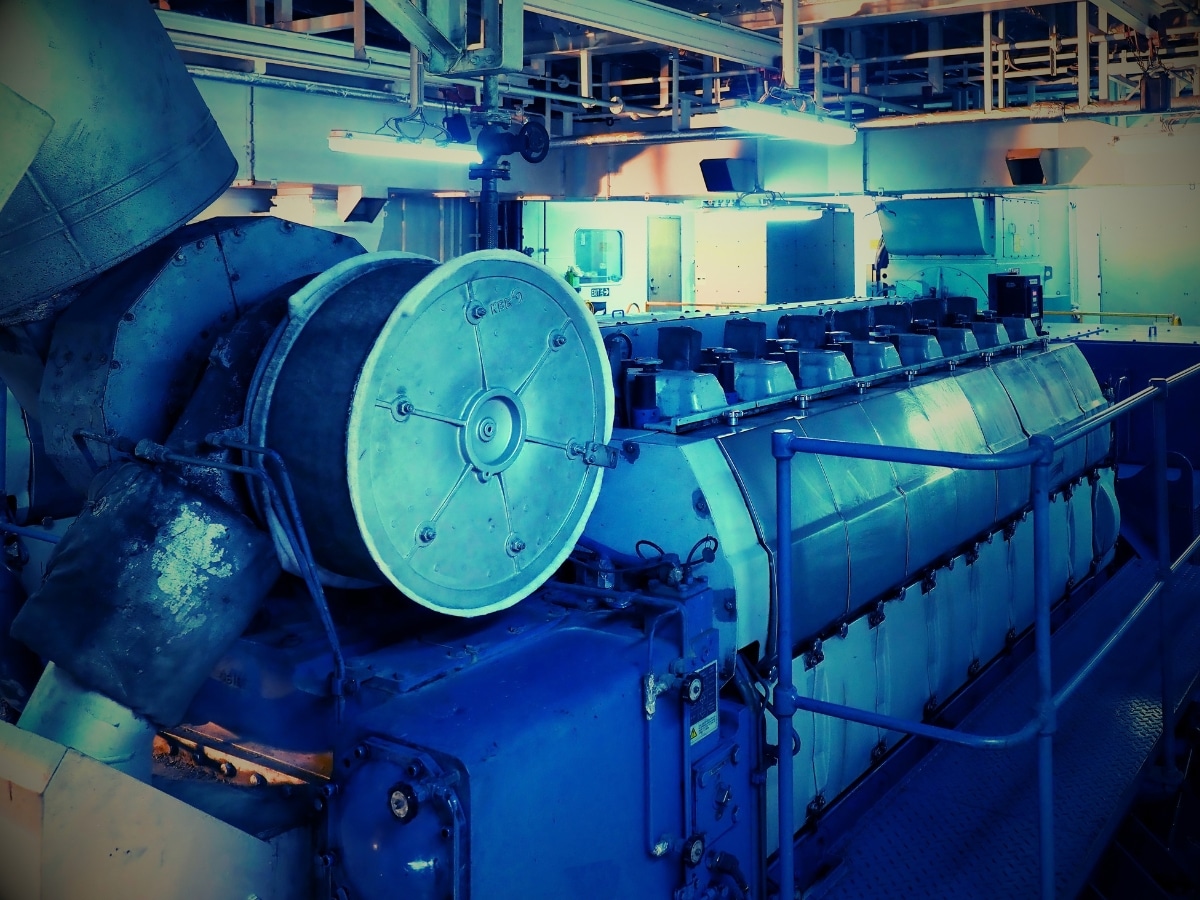
Understanding the different types of marine engine repair helps ship owners, technical managers, and technical superintendents make informed decisions that minimize downtime, control costs, and protect engine reliability.In-situ marine engine repair refers to repair activities carried out directly on board the vessel without removing the engine or major components. This method is commonly used when immediate corrective action is required and taking the vessel out of service is not operationally feasible.
In-situ repairs are particularly effective for addressing localized failures such as bearing damage, crankshaft journal issues, alignment corrections, piston and liner work, or auxiliary system faults. Specialized portable tools and precision measurement equipment enable technicians to restore functionality while the engine remains installed.
This approach significantly reduces vessel downtime, avoids dry-docking costs, and allows repairs to be executed at sea or during short port stays, making it a preferred option for time-critical situations.Emergency marine engine repair is undertaken when unexpected failures threaten vessel safety or operational continuity. These repairs are typically reactive and focus on stabilizing the engine to prevent further damage or complete shutdown.
Emergency repairs may involve temporary fixes, component replacements, or operational adjustments that allow the vessel to safely reach the next port or planned maintenance window. While not always a permanent solution, emergency repairs play a vital role in risk mitigation and voyage completion.
This type of repair requires rapid mobilization, technical expertise, and compliance with class and safety standards under constrained timelines.Workshop or shore-based repair involves removing engine components, or in some cases the complete engine, from the vessel and repairing them in a controlled workshop environment. This repair method is typically chosen when damage is extensive or when precision machining and testing are required.
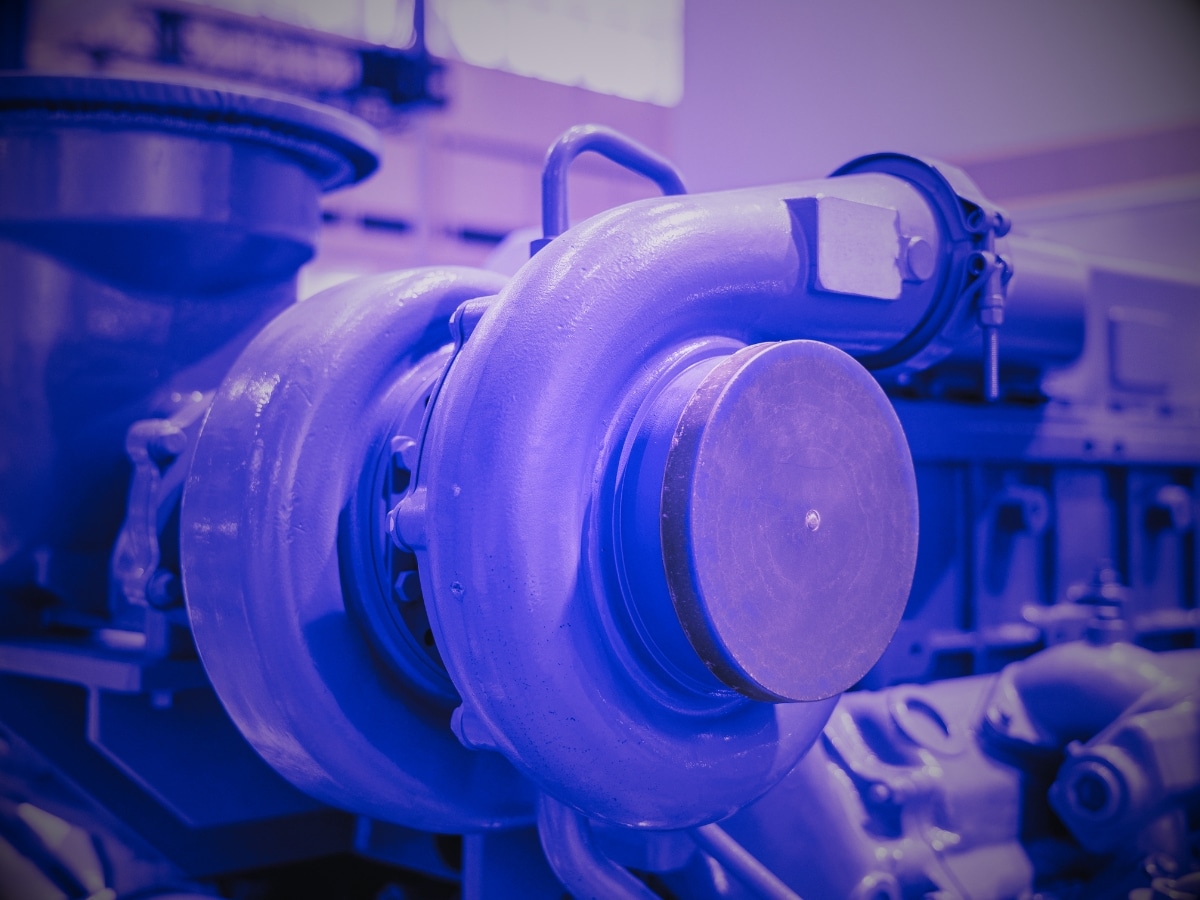
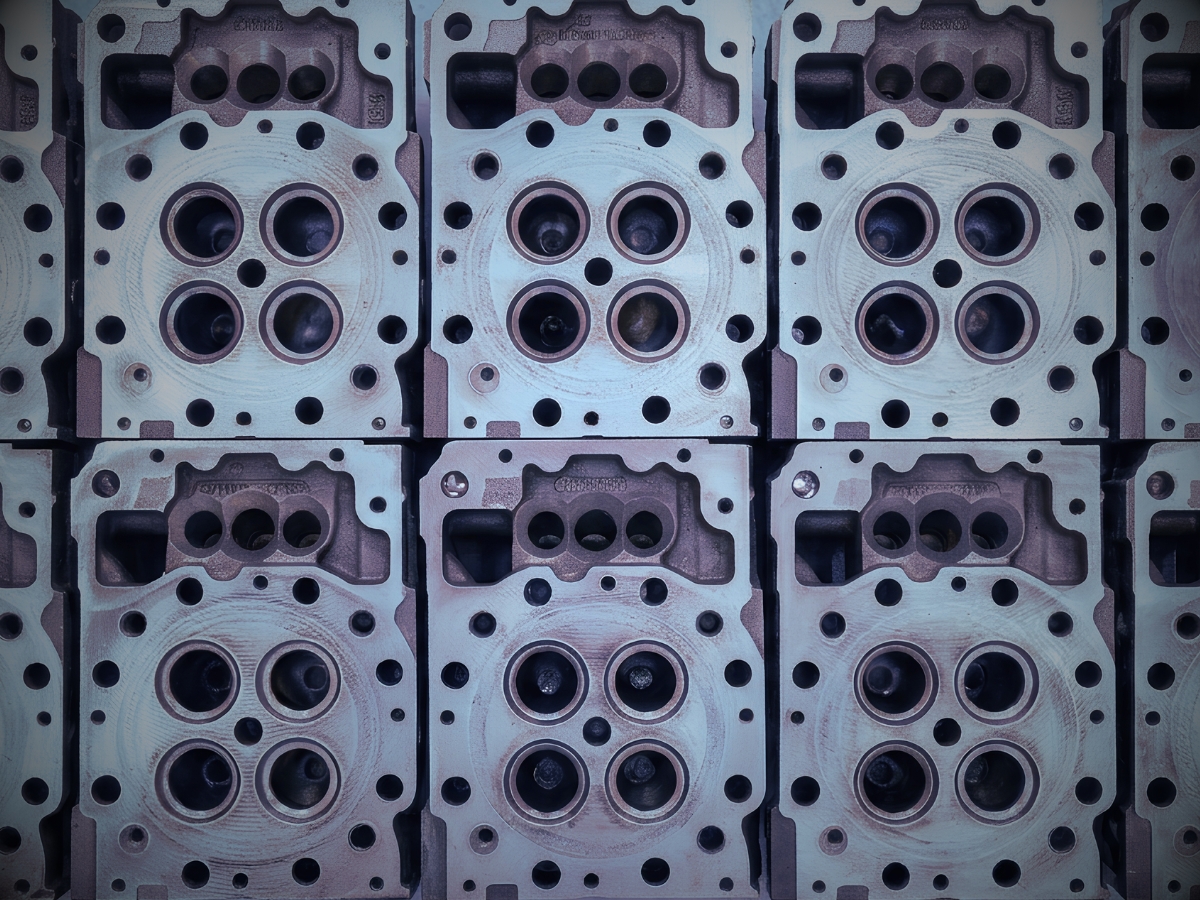
Shore-based repairs allow access to advanced equipment, machining tolerances, and quality control processes that are difficult to achieve onboard. Components such as crankshafts, cylinder heads, fuel pumps, and turbochargers are commonly repaired in workshops.
While this approach offers high repair accuracy and long-term reliability, it usually involves longer downtime, higher logistics costs, and shipyard coordination.Partial marine engine repair focuses on specific engine sections or components rather than the entire engine system. This method is commonly applied when faults are isolated and the overall engine condition remains acceptable.
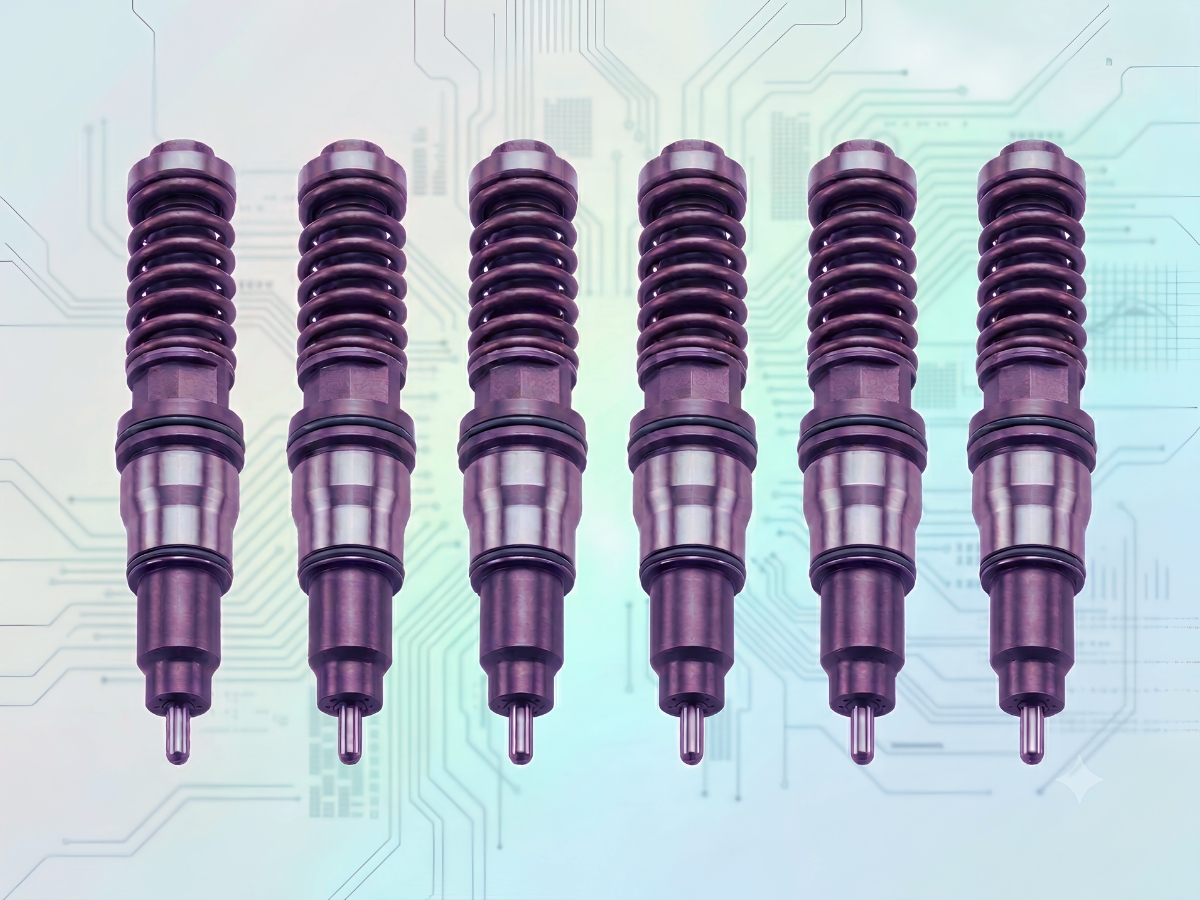
Examples include repairing individual cylinder units, replacing bearings, addressing cooling or lubrication system failures, or correcting fuel injection issues. Partial repairs strike a balance between cost and effectiveness by addressing root causes without escalating into full overhauls.
This approach is often selected based on condition monitoring data, inspection findings, or recurring localized failures.Planned corrective repair is a proactive maintenance strategy executed after identifying early signs of degradation through inspections or condition monitoring systems. Instead of reacting to failure, repairs are scheduled during planned port calls or maintenance windows.
This method reduces unplanned downtime and prevents secondary damage to critical components. Planned repairs are typically more cost-effective than emergency interventions and align well with modern condition-based maintenance practices.Temporary repairs are implemented to restore minimum operational capability when permanent repairs are not immediately possible. These repairs are designed to safely support engine operation until comprehensive repair work can be carried out.
While not intended as long-term solutions, voyage repairs are essential for maintaining operational continuity, particularly during long sea passages or remote operations.| Repair Type | Location | Purpose | Downtime Impact | Typical Application |
| In-situ Repair | Onboard vessel | Repair without dismantling | Minimal | Localized damage and urgent repairs |
| Emergency Repair | Onboard or port | Stabilize engine operation | Very low | Sudden failures |
| Workshop Repair | Shore or shipyard | Precision and long-term repair | High | Major component damage |
| Partial Repair | Onboard or workshop | Repair specific components | Moderate | Isolated faults |
| Planned Corrective Repair | Onboard or port | Prevent failure using early detection | Low | Condition-based maintenance |
| Temporary or Voyage Repair | Onboard | Maintain operational continuity | Minimal and short-term | Reaching next repair window |
Marine engine repair includes a wide range of approaches, each suited to specific operational, technical, and commercial requirements. Selecting the right repair method, whether in-situ, emergency, or workshop-based, has a direct impact on vessel availability, maintenance costs, and engine reliability.
With increasing adoption of condition monitoring and planned maintenance strategies, ship operators can move from reactive repairs to informed, data-driven decisions. A clear understanding of marine engine repair types enables effective maintenance planning, reduced downtime, and sustained engine performance throughout the vessel lifecycle.Leave a Reply
Latest Posts
Marine Engine Derating Reasons, Process & Performance Impact
How to Maintain a Marine Engine Turbocharger for Reliable Performance
Step-by-Step Process of Marine Engine Cylinder Head Overhauling
Step-by-Step Process of Marine Engine Injector Overhauling
We use cookies to enhance your browsing experience, analyze website traffic, and improve our services. By clicking "Accept", you consent to the use of cookies. You can manage your preferences at any time. For more information, please review our Privacy Policy.