Table of Contents

Alternator Bearing Failure Symptoms, Signs Causes, Precaution and Solution

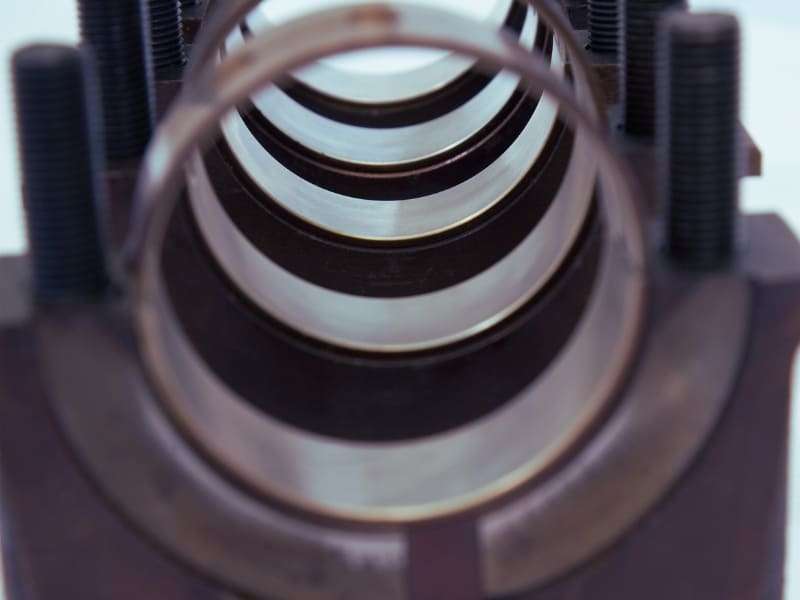
Alternator bearing failure refers to the gradual degradation or sudden breakdown of the bearings within the alternator, a critical component of marine engines responsible for converting mechanical energy into electrical power. In its early stages, bearing failure often presents subtle warning signs such as abnormal noise, increased vibration, overheating, or fluctuations in electrical output. If left unaddressed, a deteriorating alternator bearing can lead to misalignment of rotating components, accelerated wear of internal parts, loss of charging efficiency, and in severe cases, seizure of the alternator resulting in electrical failure or engine shutdown.
The most common reasons for alternator bearing failure are inadequate lubrication, contamination from dirt or moisture, excessive belt tension, misalignment, and prolonged operation under high loads. Among these, lubrication failure and contamination are the leading causes, as they directly increase friction and heat, accelerating bearing wear. Understanding these early symptoms and root causes is critical for preventing unplanned downtime, reducing operational risk, and ensuring reliable electrical power generation onboard marine vessels.
Table of Contents

What is Alternator Bearing Failure?

Alternator bearing failure refers to the degradation or breakdown of the bearings within the alternator, a critical component of marine engines that converts mechanical energy into electrical energy. This failure can lead to diminished electrical performance, increased operational risk, and, in severe cases, engine shutdown.

The Significance of Maintaining Alternator Bearings

The alternator bearing is a pivotal component of a marine engine, ensuring the smooth rotation of the alternator’s shaft to generate uninterrupted electrical power. Its role extends beyond mechanical support; it safeguards the alternator from vibration, misalignment, and excessive friction, which can disrupt power generation. A well-maintained alternator bearing is critical for the reliable operation of marine vessels, as it directly influences the alternator’s efficiency, longevity, and safety. Failure to maintain the bearing in good condition can result in power fluctuations, operational inefficiencies, and even costly downtime, emphasizing its importance in ensuring seamless marine operations.

Components Involved & Their Role

In a marine engine, several key components work in concert to maintain proper functionality, including the alternator, bearings, crankshaft, and inner engine components. The alternator produces the electrical energy needed to power onboard systems, while the bearings support the smooth rotation of the alternator shaft. The crankshaft converts the engine’s linear motion into rotational motion, ensuring that the alternator operates effectively.

Conditions That Lead to This Issue

Alternator bearing failure may occur due to various operational stresses and maintenance oversights. Some common conditions leading to this failure include:
In high-speed and medium-speed engines, additional conditions such as crankshaft deformation due to excessive torque can exacerbate bearing issues, often seen in industries like marine shipping, oil & gas extraction, and power generation.

What Would Cause the Alternator Bearing Failure?

Symptoms/Signs of the Alternator Bearing Failure

Consequences of the Alternator Bearing Failure

Troubleshooting and Actions to Be Taken in Case for the Alternator Bearing Failure

Solution for Alternator Bearing Failure

Precautionary Measures for Addressing Alternator Bearing Failure

Leave a Reply

0 Comments
Oldest
Newest Most Voted
Inline Feedbacks
View all comments

Related Products

Related Posts

*The demo link will be shared only if a valid work or company email ID is provided.