MAN Engine Troubleshooting Checklist for Efficient Onboard Maintenance
Regular troubleshooting of MAN engines is crucial for maintaining reliable performance, fuel efficiency, and a longer service life. Whether these engines are operating onboard a vessel or in a power plant, timely detection and correction of irregularities help prevent costly breakdowns and unplanned downtime that can disrupt operations.
This troubleshooting checklist is designed as a practical tool for onboard engineers to systematically identify, diagnose, and resolve common MAN engine issues. By following a structured approach, engineers can ensure smooth and efficient operation, minimize maintenance costs, and enhance the overall reliability of their engine systems.
Table of Contents
MAN Engine Troubleshooting Checklist
1. Preliminary Checks
Verify engine model and serial number before beginning troubleshooting.
Review engine operating hours and recent maintenance logs.
Check for error codes or alarms on the engine control system (e.g., MAN EDC/ME engine interface).
Ensure the engine room is well-ventilated and free of fuel or oil leaks.
2. Visual and Safety Inspection
Inspect for oil, coolant, or fuel leaks around filters, gaskets, and seals.
Examine exhaust system for abnormal smoke (black, blue, or white).
Check for unusual vibrations, knocking, or noise from the engine.
Verify that all guards, covers, and safety devices are in place.
3. Lubrication System Troubleshooting
Check lube oil level and condition; look for contamination (fuel, coolant, or soot).
Monitor oil pressure low pressure may indicate a faulty pump, filter blockage, or worn bearings.
Replace oil filters if pressure drops or differential pressure increases abnormally.
4. Cooling System Troubleshooting
Verify coolant level and temperature.
Inspect heat exchangers and sea-water pumps for scaling or blockage.
Check thermostat operation and cooling water flow rate.
Ensure there are no airlocks or leaks in the cooling circuit.
5. Fuel System Troubleshooting
Inspect fuel filters and replace if clogged.
Check for air in the fuel system (common cause of hard starting or misfiring).
Verify fuel injection pressure and timing.
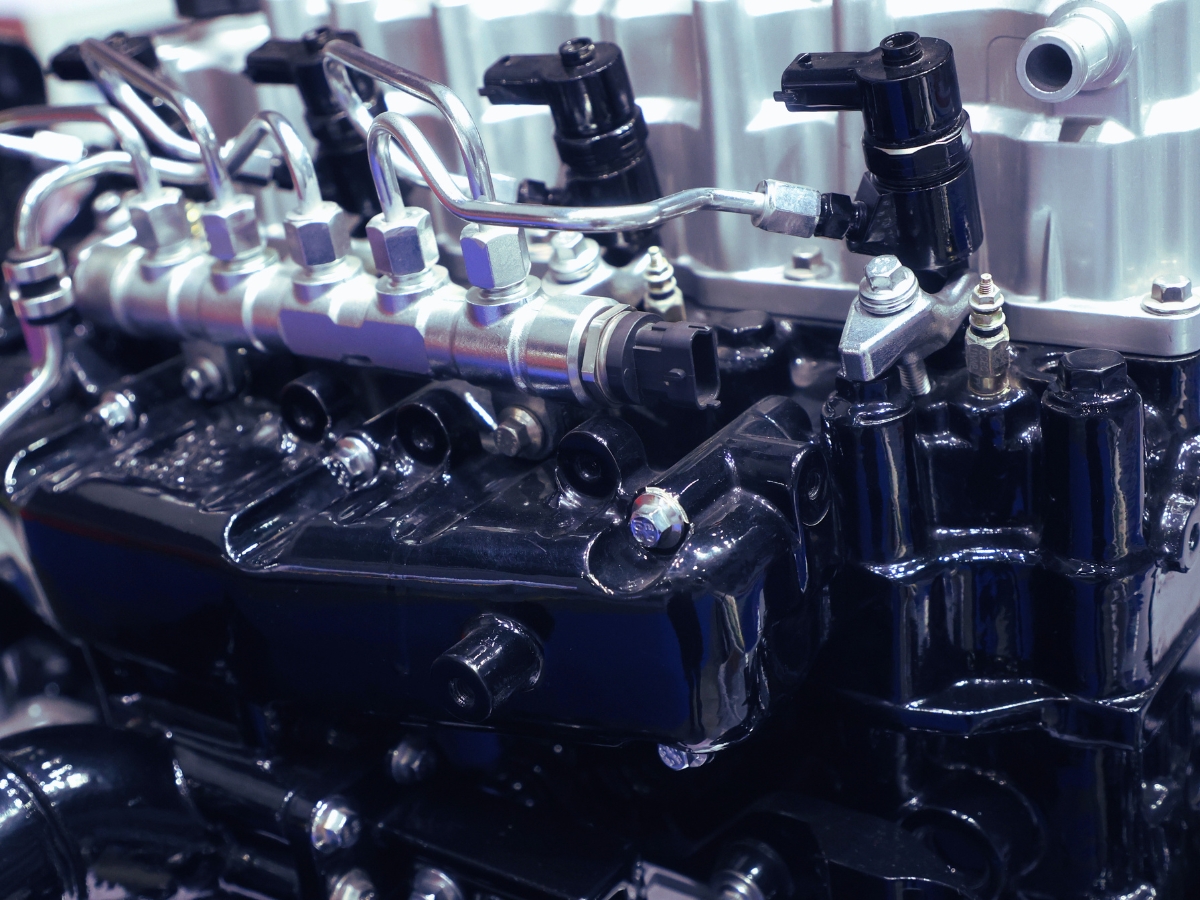
Examine injectors and fuel pumps for wear or leakage.
6. Air Intake and Exhaust System
Inspect turbocharger for fouling, excessive play, or oil leakage.
Check air filters and clean or replace if dirty.
Ensure proper airflow to cylinders restricted air causes black smoke.
Inspect exhaust manifold for leaks or cracks.
7. Combustion and Performance
Measure cylinder compression pressure; low compression indicates valve or piston ring wear.
Monitor exhaust temperature for each cylinder deviation may indicate imbalance or misfiring.
Check engine load and RPM stability under various operating conditions.
Perform indicator diagram analysis (for MAN B&W ME engines) to evaluate combustion quality.
8. Electrical and Control System
Verify battery voltage and alternator charging output.
Inspect sensors, wiring, and connectors for corrosion or loose fittings.
Review control system fault codes and reset after corrective actions.
Test emergency shutdown and alarm systems for functionality.
9. Starting and Stopping Troubleshooting
If the engine fails to start, check fuel supply, air pressure, and control signal.
If the engine stops unexpectedly, inspect the overspeed trip, low lube oil pressure switch, or safety shutdown triggers.
Confirm manual emergency stop lever or switch is not engaged.
10. Recordkeeping and Reporting
Document all abnormalities, findings, and corrective actions in the engine logbook.
Report recurring faults to the shore-based technical team or MAN service representative.
Schedule preventive maintenance if troubleshooting reveals potential component wear.
A structured troubleshooting approach is crucial for maintaining MAN engines at peak efficiency and reducing the need for MAN engine repair. This checklist helps onboard engineers quickly isolate problems, implement corrective actions, and prevent minor issues from escalating into major repair requirements. By following this systematic guide and maintaining accurate service records, operators can ensure the long-term reliability, safety, and performance while minimizing downtime and optimizing MAN engine maintenance efficiency.