
Home » Blog » Maintenance & Reliability » Marine Diesel Engine Repair vs Overhaul vs Rebuild vs Repower Explained
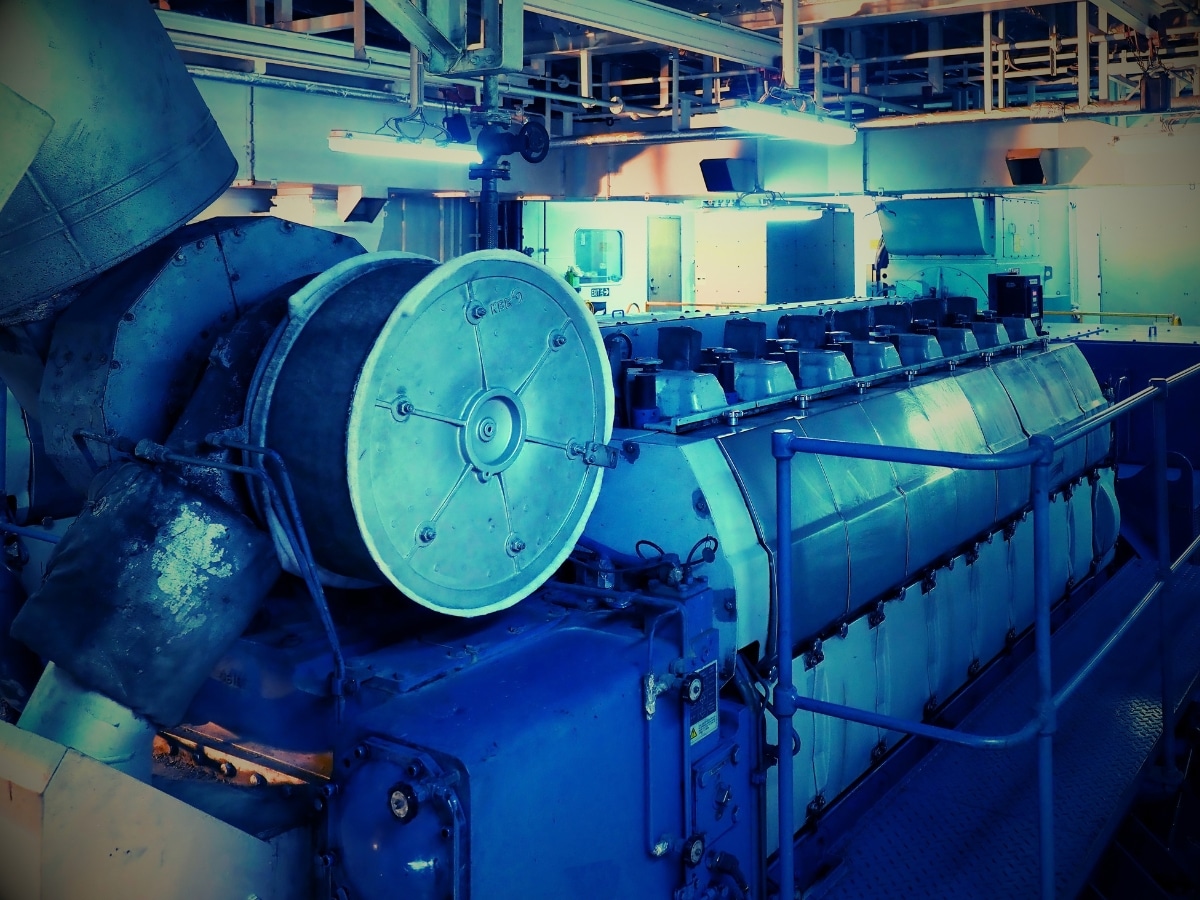
A main engine repair is typically carried out to correct a specific fault and restore immediate operability of the engine. In contrast, a overhaul of marine diesel engine is a planned maintenance activity intended to address progressive wear, recover performance, and extend the usable life of the engine. Rebuilds and repowering go a step further by fundamentally changing the remaining lifecycle and long-term reliability of the propulsion system.
This blog explains the practical differences between marine engine repair, overhaul, rebuild, and repower, helping you choose the most suitable solution based on engine condition, vessel age, operational requirements, and regulatory considerations.| Marine Engine Services Comparison | ||||
| Aspect | Marine Engine Repair | Marine Engine Overhaul | Marine Engine Rebuild | Marine Engine Repower |
| What it means in practice | Marine engine repair refers to targeted corrective action taken to fix a specific malfunction or failed component without disturbing the overall engine assembly. The intent is to quickly restore operability rather than improve overall engine health. | Marine engine overhaul is a structured maintenance activity where major engine components are dismantled, inspected, and restored to recover lost performance, efficiency, and reliability caused by normal wear. | A marine engine rebuild is a comprehensive restoration process where the engine is completely dismantled and critical components are replaced or reconditioned to return the engine close to its original factory condition. | Marine engine repower involves removing the existing engine and installing a new or upgraded engine system to achieve long-term operational efficiency, regulatory compliance, and reliability improvements. |
| Typical reason owners choose it | Repair of marine engine is chosen when an unexpected failure occurs and immediate restoration of power is required, especially during voyage or short port stays. | Overhauling is selected when performance indicators such as fuel consumption, oil consumption, vibration, or exhaust temperatures indicate progressive deterioration. | Rebuild is opted for when repeated repairs and overhauls become uneconomical, but the vessel still has a long remaining service life. | Repower is chosen when the existing engine is obsolete, inefficient, non-compliant with emission norms, or when spare parts availability becomes a challenge. |
| Extent of engine intervention | Only the affected system or component is accessed, with minimal interference to surrounding parts. | Multiple marine engine assemblies are opened, measured, and restored, but the engine block usually remains intact. | The entire marine engine is stripped down to the crankcase, allowing dimensional restoration of all critical components. | The original main engine is fully removed and replaced, often requiring integration with existing propulsion and control systems. |
| Depth of inspection involved | Visual and functional checks limited to the failed area, with basic measurements. | Detailed inspection of wear components using calibrated tools and, in many cases, non-destructive testing. | Extensive dimensional checks, crack detection, alignment verification, and metallurgical assessments. | Engineering evaluation of vessel layout, foundations, driveline compatibility, and class requirements. |
| Impact on engine performance | Restores basic functionality but does not address underlying wear trends or efficiency loss. | Improves power output, combustion quality, and operating stability to near-original levels. | Delivers a substantial performance recovery, often comparable to a newly commissioned engine. | Marine engine repower services significantly enhance performance, fuel efficiency, and operational reliability due to modern engine technology. |
| Expected reliability after completion | Short-term reliability improvement, with risk of further failures if other worn components remain untouched. | Medium-term reliability improvement when executed with correct scope and quality parts. | When you rebuild marine engine systems, long-term reliability improves significantly, with a reduced probability of failures across all operating conditions. | Marine diesel engine repower services deliver the highest level of reliability by eliminating legacy engine limitations and integrating modern, efficient power systems. |
| Downtime planning requirement | Minimal planning; often executed under time pressure. | Requires advance planning, spare part readiness, and class coordination. | Needs extensive planning, workshop capacity, and skilled manpower. | Requires project-level planning including engineering, procurement, installation, and commissioning. |
| Cost vs value balance | Lowest cost option but offers limited value beyond immediate fault correction. | Balanced investment offering good value in terms of life extension and performance recovery. | The rebuild of marine engine has highest capital cost, offset by long-term savings in fuel, maintenance, and regulatory compliance. | Marine engine repower costs involve a high capital investment that is justified when the vessel has a long remaining service life and sustained operational demand. |
| Class and regulatory involvement | Limited unless safety-critical components are involved. | Usually carried out under class survey and aligned with PMS or CBM requirements. | Conducted under strict class supervision with documentation and certification. | Requires full class approval, statutory compliance, and often emission certification. |
| Effect on remaining engine life | Does not materially extend engine life. | Extends usable engine life by several thousand operating hours. | Adds a major lifecycle phase, effectively resetting engine wear. | Starts an entirely new engine lifecycle. |
| Best suited vessel scenario | Vessels requiring quick return to service with minimal interruption. | Vessels with stable trading patterns and predictable maintenance windows. | Vessels expected to operate for many more years without replacement. | Vessels undergoing modernization, life-extension, or regulatory upgrades. |
Choosing between diesel marine engine repair, overhaul, rebuild, or repower depends on the actual condition of the engine and the long-term operational goals of the vessel. A well-planned main engine repair can quickly return the vessel to service after a localized failure, while a properly executed main engine overhaul can restore performance, improve reliability, and defer major capital expenditure.
As engines age and wear becomes more widespread, rebuilds or repowering may offer better lifecycle value than repeated corrective maintenance. The right decision should always be guided by technical assessment, operating data, and lifecycle cost analysis rather than short-term convenience. By clearly understanding the differences between marine engine repair and main engine overhaul, and knowing when to consider rebuild or repower, vessel operators can reduce risk, control maintenance costs, and ensure reliable propulsion performance over the life of the vessel.Leave a Reply
Latest Posts
Marine Engine Derating Reasons, Process & Performance Impact
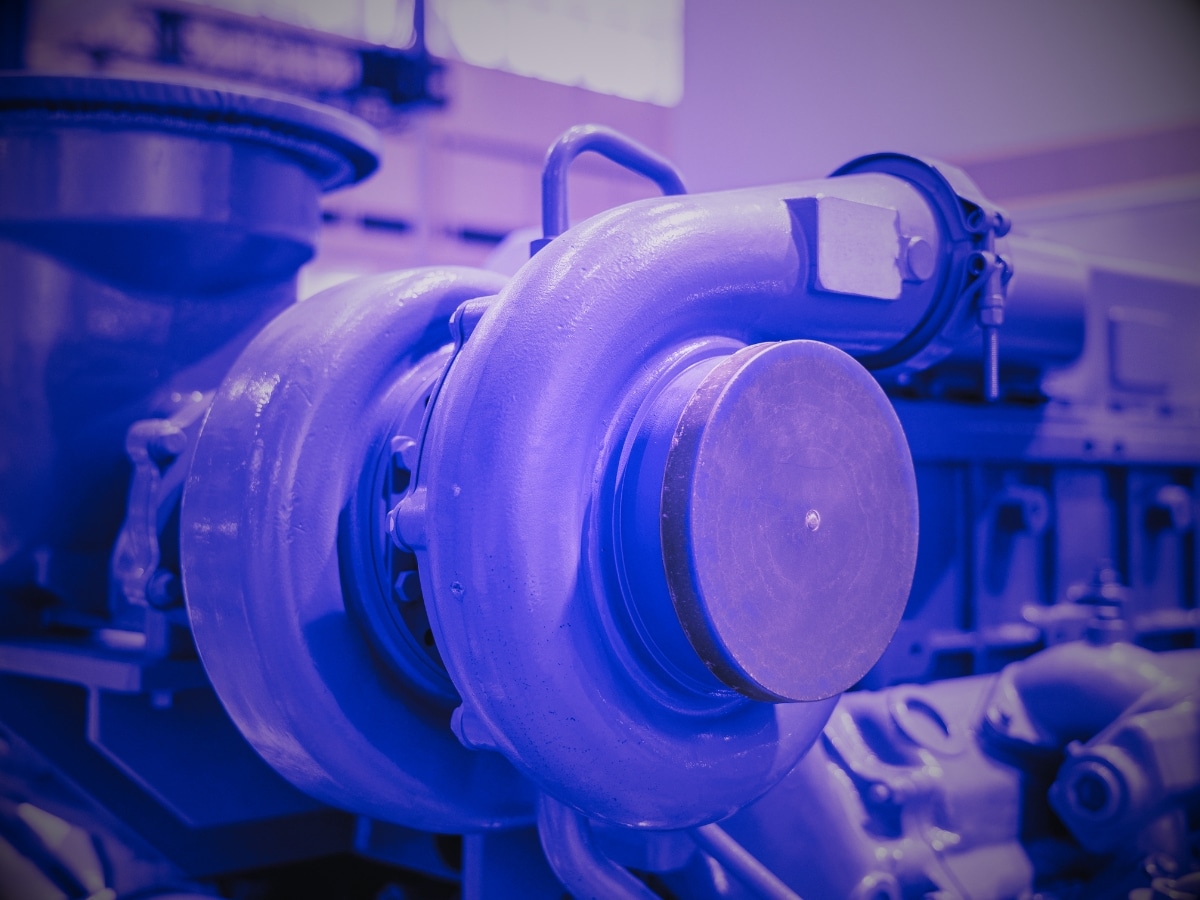
How to Maintain a Marine Engine Turbocharger for Reliable Performance
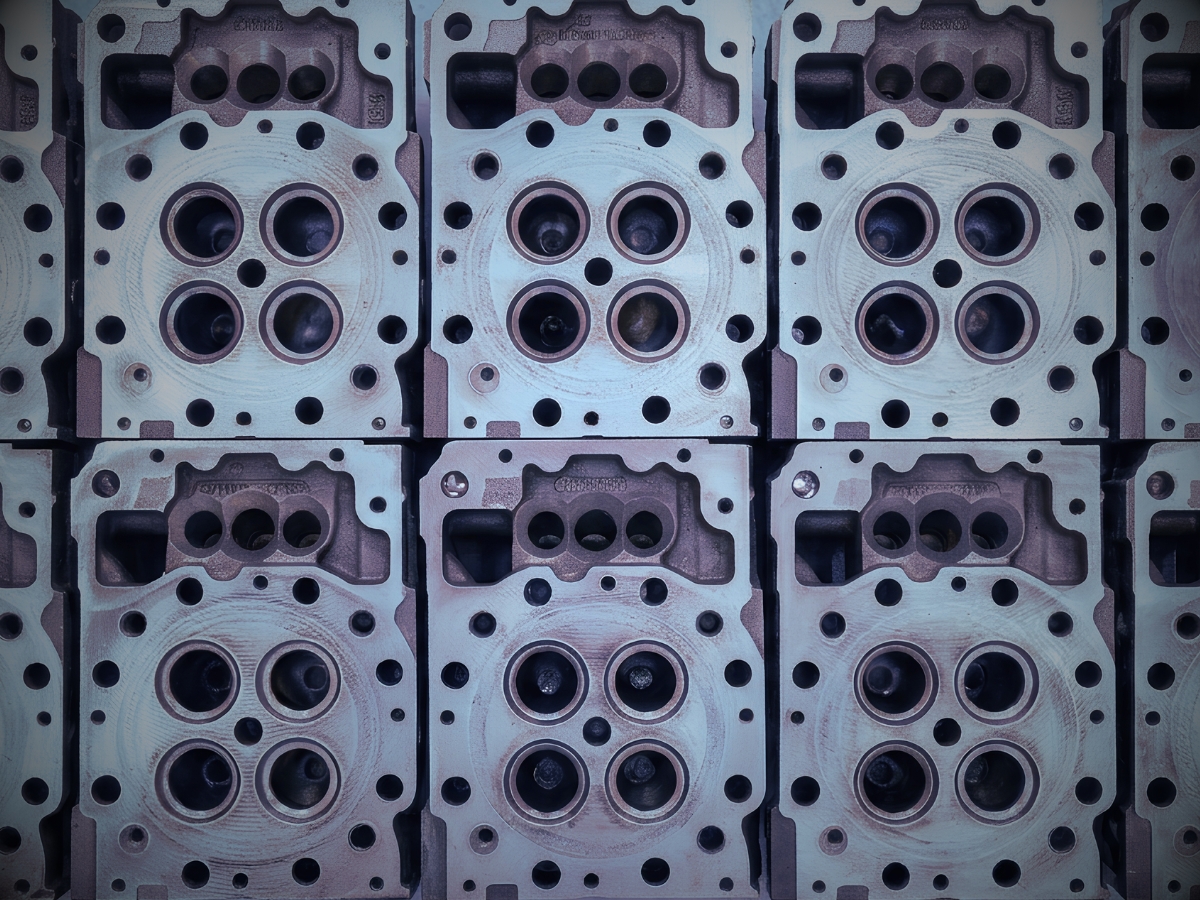
Step-by-Step Process of Marine Engine Cylinder Head Overhauling
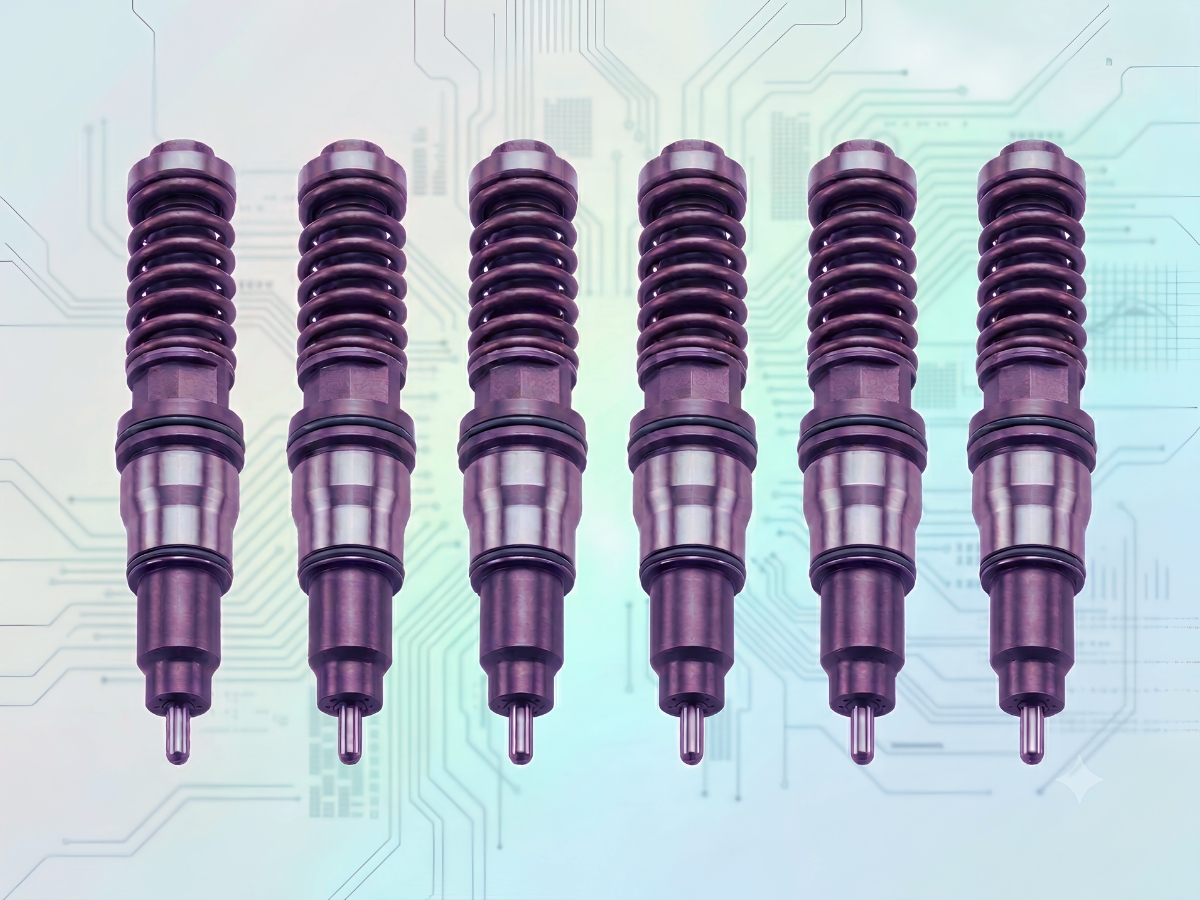
Step-by-Step Process of Marine Engine Injector Overhauling
We use cookies to enhance your browsing experience, analyze website traffic, and improve our services. By clicking "Accept", you consent to the use of cookies. You can manage your preferences at any time. For more information, please review our Privacy Policy.