
Home » Blog » Maintenance & Reliability » Step-by-Step Marine Engine Overhaul Procedure for Better Efficiency
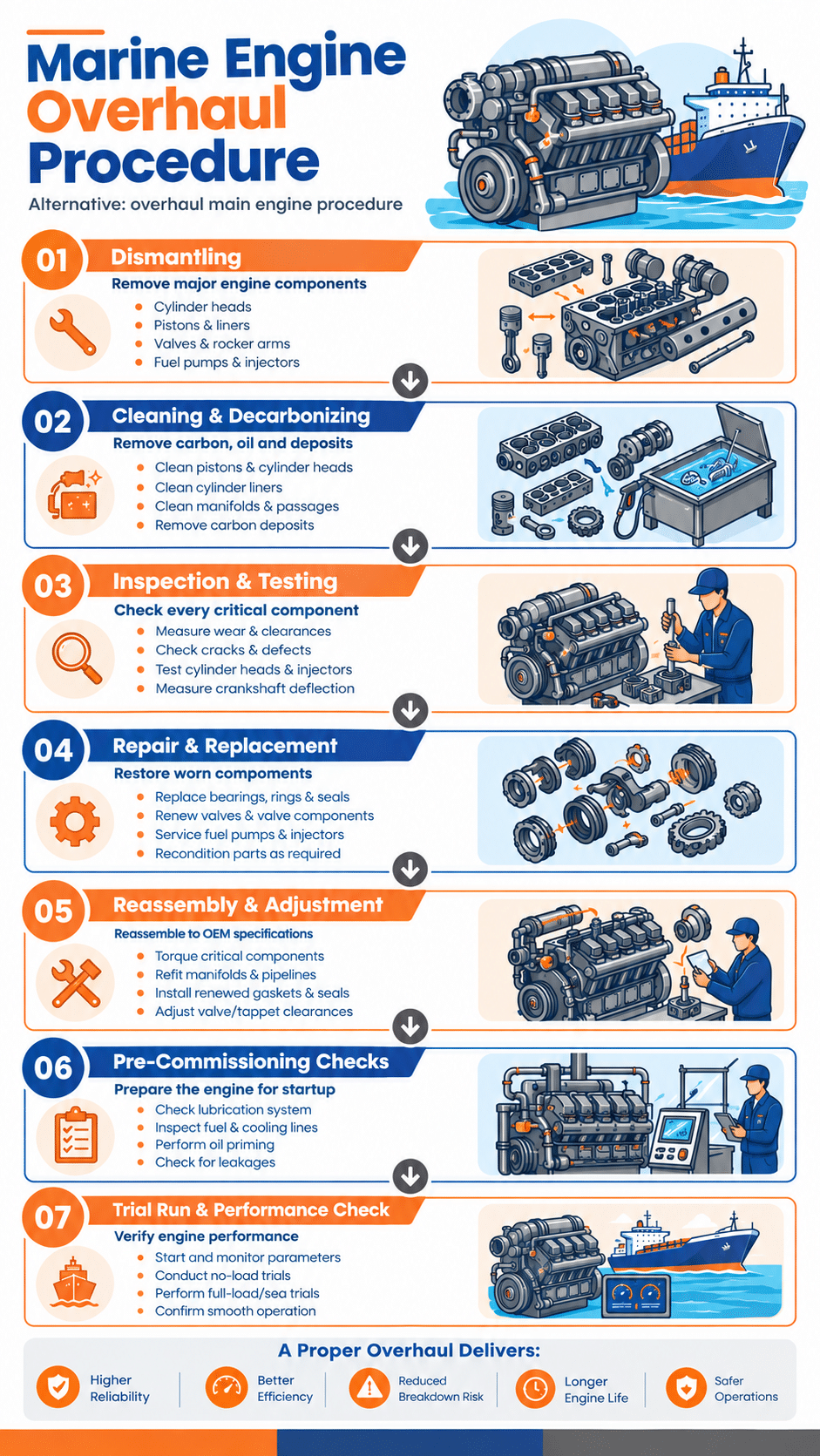
The engine was first started at 400 RPM under no load, followed by further inspections. Parameters remained satisfactory. Subsequent no-load trials and a full load sea trial were completed. The engine performed smoothly, with stable parameters and no leakages. The system was declared ready for operational service.
A well-executed marine engine overhaul procedure ensures reliability, safety, and optimal efficiency of the propulsion system. By following a structured approach that includes dismantling, cleaning, inspection, repair, reassembly, and systematic trials, marine engines can be restored to peak performance. Proper overhaul not only reduces breakdown risks but also enhances fuel economy, operational uptime, and long-term asset health. Trusting experienced service teams ensures accurate execution and long-lasting results for vessel operators.
Leave a Reply
Latest Posts
Marine Engine Derating Reasons, Process & Performance Impact
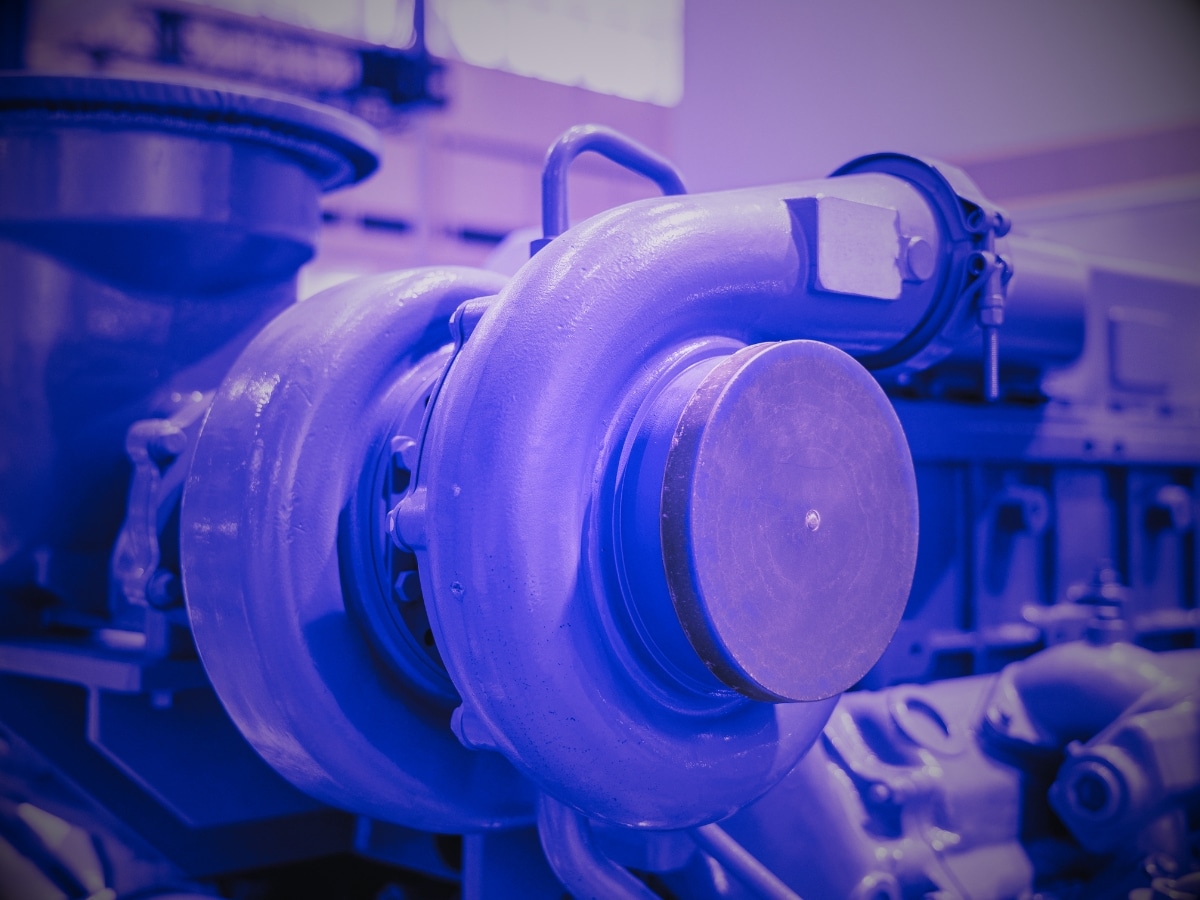
How to Maintain a Marine Engine Turbocharger for Reliable Performance
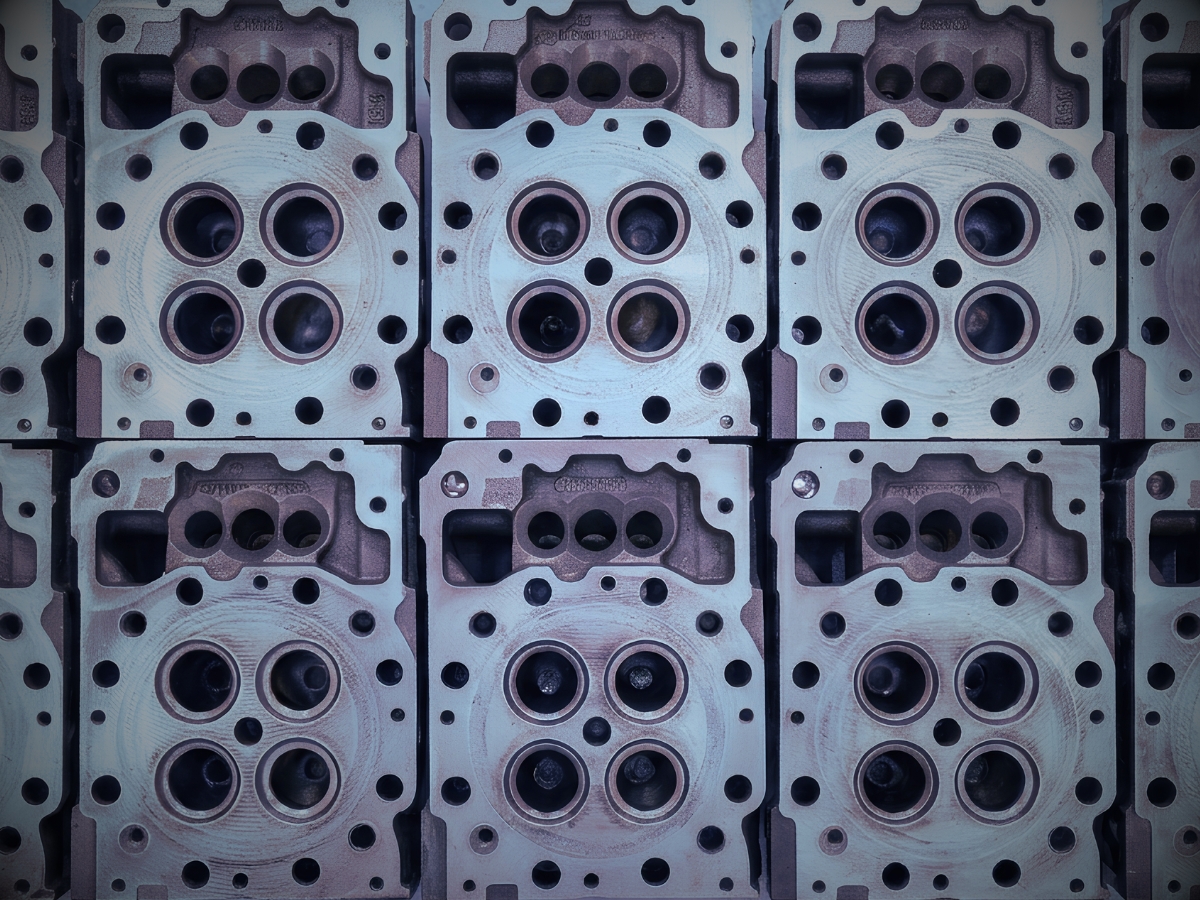
Step-by-Step Process of Marine Engine Cylinder Head Overhauling
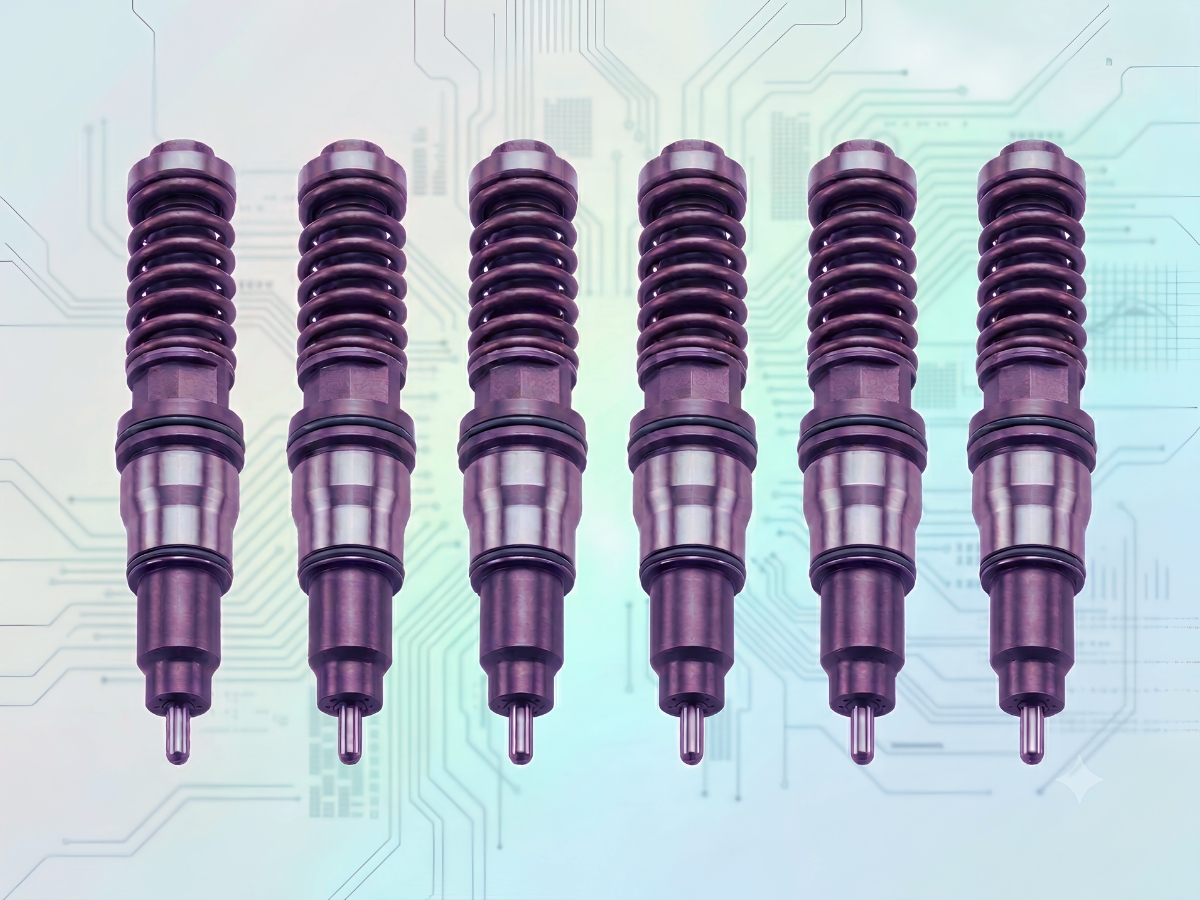
Step-by-Step Process of Marine Engine Injector Overhauling

We use cookies to enhance your browsing experience, analyze website traffic, and improve our services. By clicking "Accept", you consent to the use of cookies. You can manage your preferences at any time. For more information, please review our Privacy Policy.