Home » Blog » Maintenance & Reliability » A Step-by-Step Guide to Ship Dry Docking Procedure
A well-organised ship dry-docking procedure involves much more than moving a vessel into a dry dock. It starts with planning and preparation, followed by docking, inspection, machinery maintenance, repairs, testing and final undocking.
Proper coordination of these activities helps reduce delays, control repair costs and ensure that critical machinery is ready for the vessel’s return to service.The dry docking process begins well before the vessel arrives at the dock. The technical team reviews the vessel’s maintenance history, previous dry-dock reports, running hours, inspection records and outstanding defects.
The planned scope of work is then developed based on the vessel’s operational requirements and upcoming maintenance schedule. This may include hull inspection, underwater equipment inspection, propulsion maintenance, engine work, auxiliary machinery servicing, repairs and replacement of worn components.Once the work scope is finalized, the vessel is prepared for docking. The vessel’s condition, tank levels, ballast arrangement and other operational requirements are reviewed to ensure that it can safely enter the dock.
Machinery and systems that require maintenance are identified in advance. Required tools, spare parts, lifting equipment and specialist personnel should be arranged before the vessel reaches the dry dock.The vessel is carefully maneuvered into the dry dock and positioned according to the approved docking plan. Dock blocks are arranged to support the vessel at designated locations and maintain its stability.
Once the vessel is correctly positioned, the dock is secured and the water level is gradually reduced. The vessel settles onto the prepared blocks as the dock is dewatered.
During this stage, close coordination between the dock team, vessel crew and other personnel is essential. Incorrect positioning or inadequate support can create significant safety and structural risks.
After the vessel is fully supported, access is provided to the underwater areas and the inspection and maintenance work can begin.Machinery inspections are also carried out according to the approved maintenance scope.
The findings are compared with previous inspection records and equipment condition. Any additional defects identified during inspection can then be assessed and incorporated into the repair plan where necessary.Dry docking provides an important opportunity to carry out scheduled machinery maintenance because several maintenance activities can be coordinated while the vessel is already out of service.
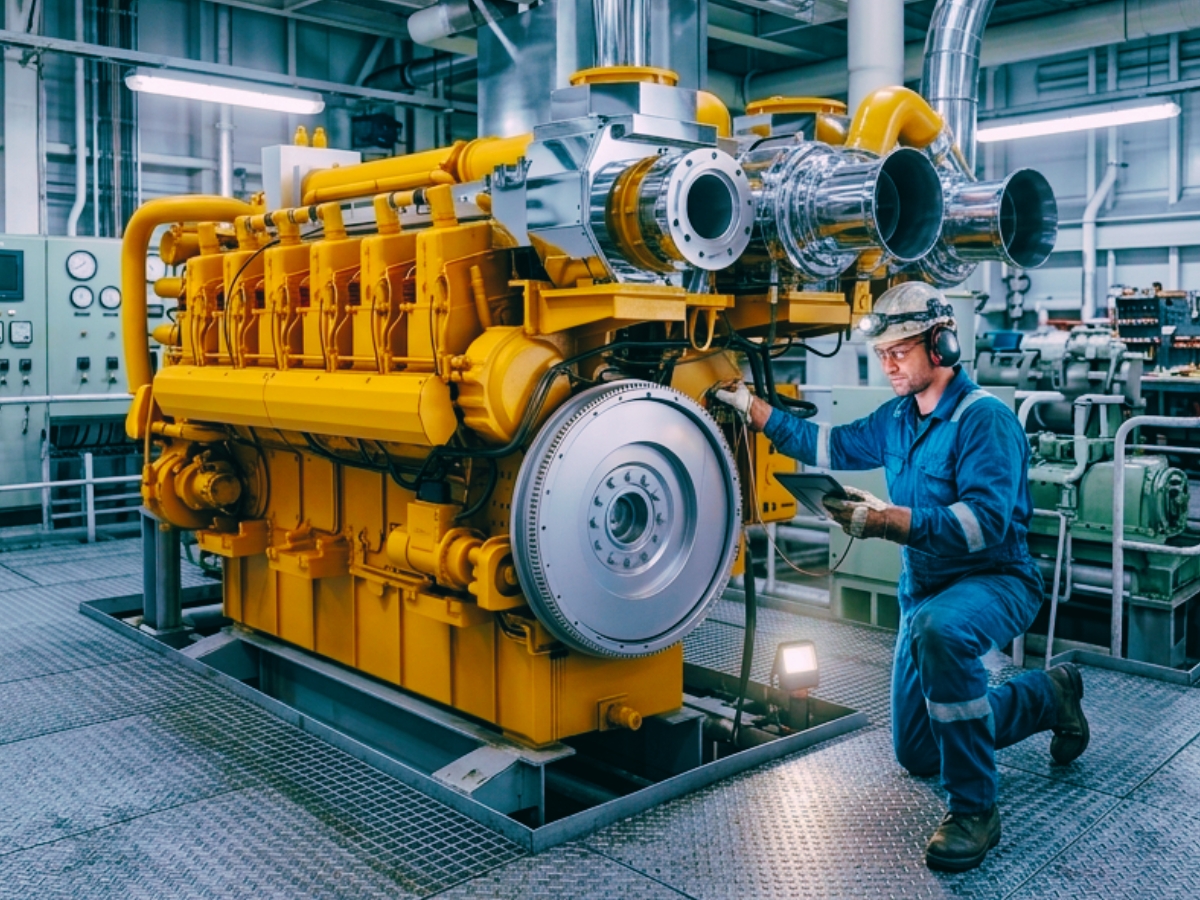
Depending on the vessel’s equipment and maintenance requirements, the scope may include main engine maintenance, auxiliary engine servicing, generator maintenance, clutch inspection and propulsion system maintenance.Main engine maintenance may involve inspection, servicing, component measurement and overhaul activities based on running hours and equipment condition.
Depending on the planned scope, engineers may inspect components such as cylinder heads, liners, pistons, piston rings, bearings, fuel injection components, valves and other critical parts.
Measurements are compared with manufacturer specifications or approved service limits to determine whether components can continue in service, require repair or need replacement.Auxiliary engines are essential for providing electrical power and supporting various onboard systems.
Dry docking can be used to carry out scheduled servicing or overhaul work on auxiliary engines.
Activities may include component inspection, replacement of worn parts, fuel system checks, lubrication system inspection, cooling system maintenance and performance verification.Generators can be inspected and serviced to ensure reliable electrical power generation. Depending on the equipment condition, maintenance may include inspection of mechanical components, electrical connections, bearings, cooling systems and other associated components.
Testing after maintenance helps verify that the generator can operate reliably under the required load conditions.Marine clutch systems play an important role in transmitting power between the engine and propulsion system. During dry docking, the clutch can be inspected for wear, leakage, abnormal operating conditions and component deterioration.
Depending on inspection findings, maintenance may involve adjustment, component replacement, repair and functional testing.The propulsion system is another major area of dry-dock maintenance. Inspection and servicing may cover the propeller, shafting, bearings, stern tube components, reduction gear and associated systems, depending on the vessel configuration.
Alignment and component condition should be verified carefully because propulsion-system problems can affect vibration, efficiency, reliability and overall vessel performance.
For comprehensive support with engine, auxiliary engine, generator, clutch and propulsion maintenance during vessel dry docking, explore our dry dock ship maintenance services.Inspection findings determine the repair and replacement requirements. Components that are worn, damaged or outside acceptable operating limits may require repair, reconditioning or replacement.
Repairs can range from minor corrective work to major machinery overhauls. The work should be carried out according to approved specifications, manufacturer recommendations and the vessel’s maintenance requirements.After maintenance and repairs are completed, the equipment is carefully reassembled. Components are installed according to the required specifications, clearances and alignment requirements.
Testing is then carried out to verify that the repaired equipment operates correctly.Before the vessel is refloated, the completed work is reviewed against the original dry-docking scope. Engineers and vessel representatives verify that maintenance and repair activities have been completed and that required inspections and tests have been recorded.
The dry dock is then prepared for reflooding. As water is gradually introduced, the vessel becomes buoyant and is carefully monitored during refloating.
Once the vessel is fully afloat, it is moved out of the dry dock according to the approved undocking procedure.Undocking does not necessarily mark the end of the maintenance process. Important systems may need to be monitored while the vessel resumes operation.
Where required, a sea trial can be conducted to evaluate the performance of the vessel and its machinery under operating conditions.| Stage | Key Activities |
|---|---|
| Planning | Review maintenance history, define work scope and schedule resources |
| Preparation | Arrange spares, tools, manpower and technical documentation |
| Docking | Position and secure the vessel before dewatering |
| Inspection | Inspect hull, underwater equipment and machinery |
| Machinery Maintenance | Maintain engines, generators, clutches and propulsion systems |
| Repairs | Repair, recondition or replace defective components |
| Testing | Conduct functional, performance and machinery tests |
| Undocking | Reflood the dock and safely move the vessel out |
| Sea Trial | Verify vessel and machinery performance under operating conditions |
The effectiveness of a dry docking project depends heavily on the quality of preparation and coordination. A poorly defined work scope can result in unexpected repairs, unavailable spare parts and extended docking time.
A structured approach allows the technical team to identify critical work in advance, organize resources and coordinate different maintenance activities around the vessel’s docking schedule.
For machinery-intensive dry docking projects, early planning is particularly important because engine and propulsion work may require specialist engineers, lifting arrangements, precision measurements and specific replacement parts.The ship dry docking procedure is a coordinated sequence of planning, preparation, docking, inspection, machinery maintenance, repairs, testing and undocking. Each stage contributes to the safe and efficient completion of the vessel’s maintenance program.
Proper planning allows the team to make effective use of the dry-dock period, while detailed inspection and testing help identify and resolve machinery and equipment issues before the vessel returns to normal operation.
For shipowners and operators, choosing an experienced technical service partner can also help coordinate complex machinery maintenance during dry docking and ensure that critical equipment receives the required inspection, repair and overhaul support.Leave a Reply
Latest Posts
CAT Engine Troubleshooting Guide for Common Engine Problems
Quick Bow Thruster Troubleshooting Checklist for Engineers
Why Engine Flushing Matters After a Marine Diesel Engine Breakdown
Marine Engine Derating Reasons, Process & Performance Impact


We use cookies to enhance your browsing experience, analyze website traffic, and improve our services. By clicking "Accept", you consent to the use of cookies. You can manage your preferences at any time. For more information, please review our Privacy Policy.