Table of Contents

Importance of Using OEM Guidelines in Ship Engine Maintenance

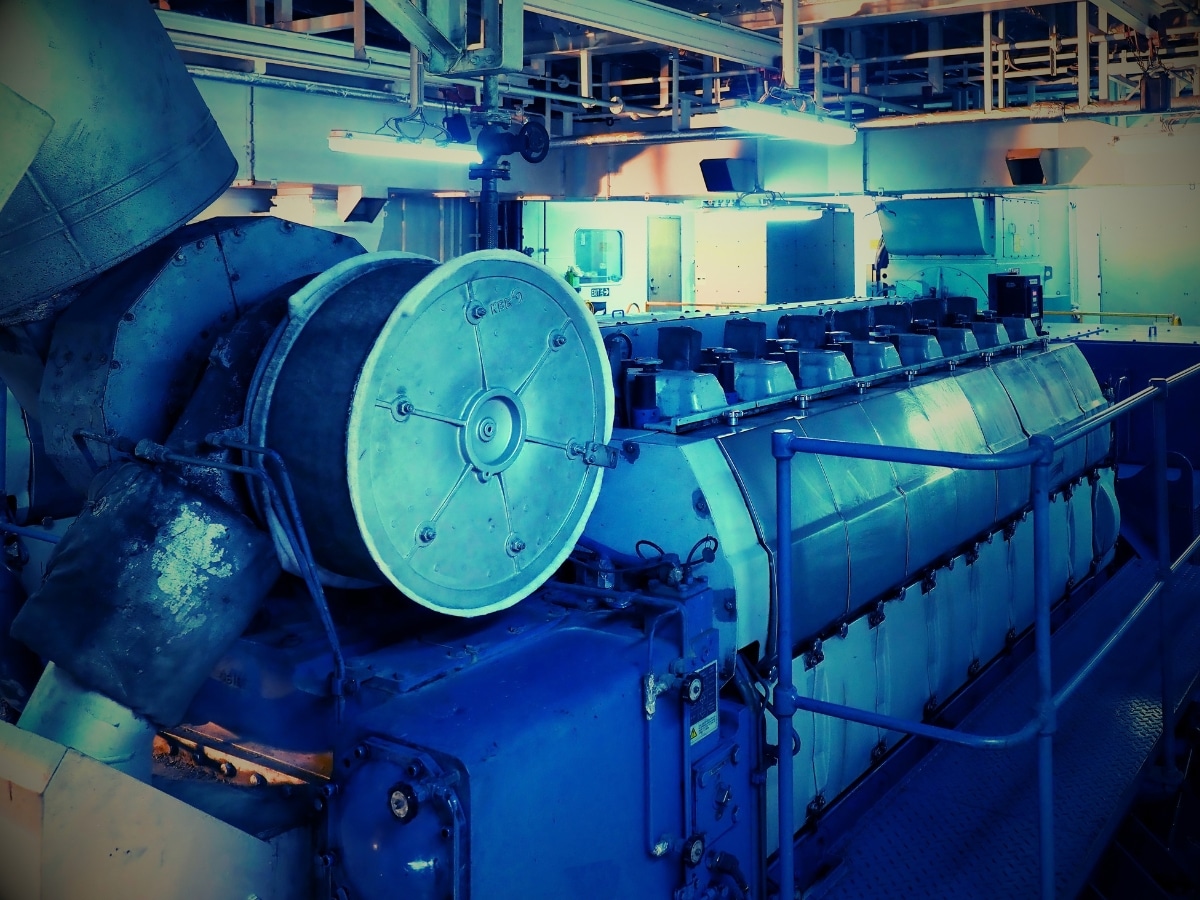
Ship engine maintenance is the process of inspecting, servicing, repairing, and keeping a ship’s engine in good working condition. It includes checking engine parts, cleaning systems, replacing worn components, and ensuring that the engine runs safely and efficiently. Effective ship engine maintenance helps reduce failures, avoid costly downtime, and ensure smooth sailing for marine vessels.
In modern vessels, ship diesel engine maintenance has become even more important because marine engines operate under high loads, harsh environments, and long hours. To ensure reliability and safety, following the right maintenance procedures is essential—and this is where OEM guidelines play a major role.
Table of Contents

Importance of Using OEM Guidelines in Ship Engine Maintenance

1. Ensures Accurate and Reliable Maintenance

OEM (Original Equipment Manufacturer) guidelines are created by the company that designed and built the engine. These guidelines include detailed instructions on inspections, lubrication, adjustments, and replacement intervals. By following them, ship engineers perform maintenance exactly as required, ensuring reliable performance.

2. Protects Engine Warranty and Compliance

OEM guidelines ensure that maintenance is carried out according to factory standards. Following them helps maintain warranty validity and ensures compliance with class, survey, and safety regulations. Non-OEM maintenance practices may cause warranty issues or compliance failures.

3. Prevents Wrong or Unsafe Maintenance Practices

Using incorrect procedures or tools can damage sensitive engine components. OEM manuals specify the right tools, torque values, tolerances, and steps. This reduces the risk of human error, ensuring that ship diesel engine maintenance is safe and accurate.

4. Improves Engine Efficiency and Fuel Performance

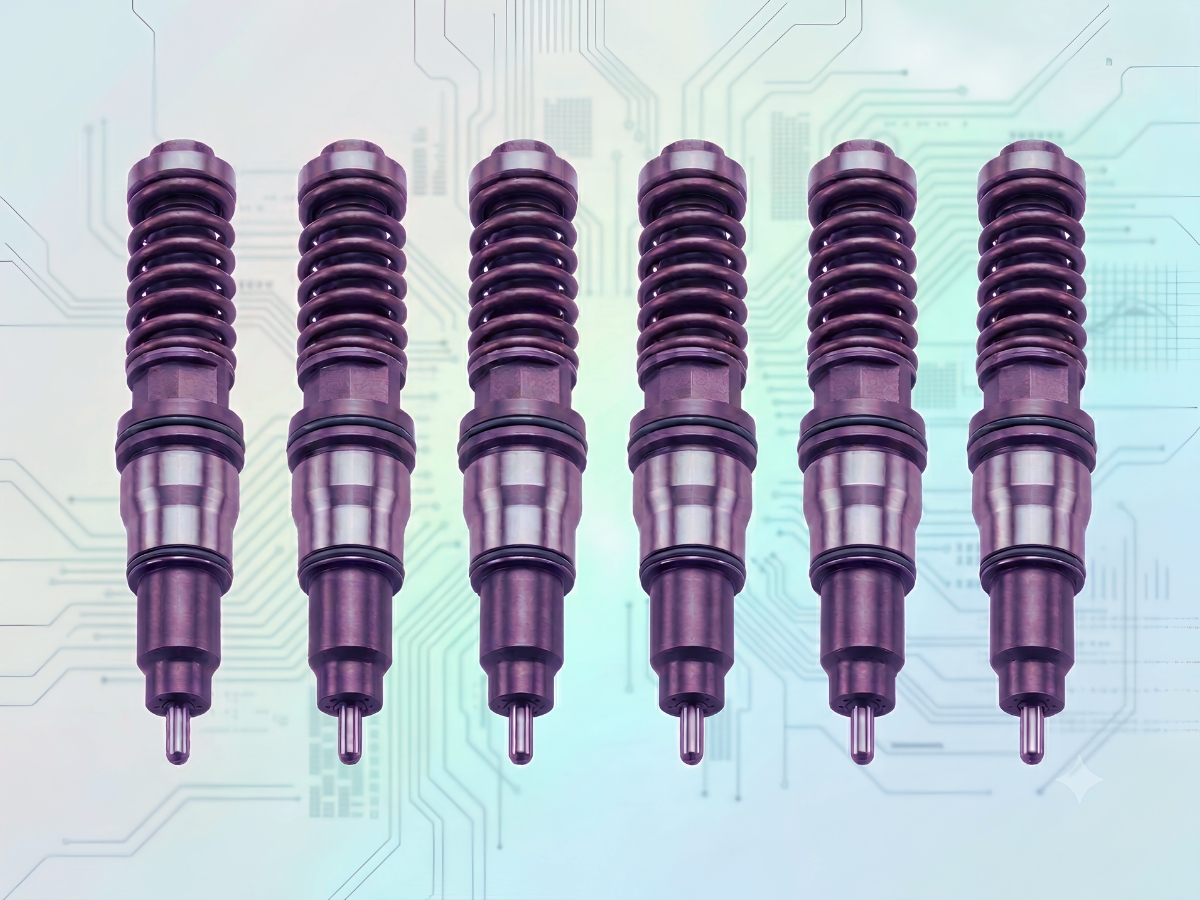
OEM instructions include proper tuning, fuel injection settings, and calibration methods. When followed correctly, they help the engine burn fuel efficiently, improve performance, and reduce operational costs. This is especially important during long voyages.

5. Helps Identify Issues Early

OEM guidelines include recommended inspection schedules and troubleshooting charts. These help engineers detect early signs of wear, leaks, misalignment, or component failure. Identifying issues early prevents major breakdowns and extends engine life.

6. Ensures Long-Term Engine Health

When maintenance follows OEM standards, every part functions within its designed limits. This reduces stress on engine components, increases reliability, and ensures the engine performs well throughout its service life.

7. Supports Safe Vessel Operations

Poor maintenance can lead to engine failures, unsafe sailing conditions, and emergency situations at sea. OEM guidelines are designed with safety in mind. Following them ensures the ship operates smoothly without unexpected failures.

Conclusion

OEM guidelines are the foundation of effective ship engine maintenance. They help ship owners and engineers maintain engines accurately, avoid costly breakdowns, ensure safety, and improve long-term performance. Whether marine engine repair, overhauls,or routine services, following OEM instructions ensures that the engine operates the way it was designed to. For marine vessels depending on reliable power, these guidelines are not just helpful they are essential.

Leave a Reply

0 Comments
Oldest
Newest Most Voted
Inline Feedbacks
View all comments
Related Posts
*The demo link will be shared only if a valid work or company email ID is provided.